The Story
Meet The Ivy Hacker
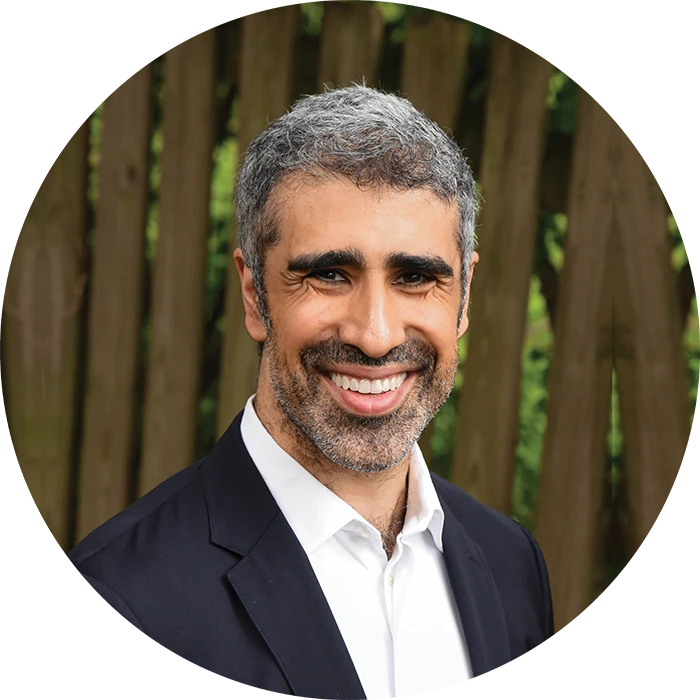
I’m Arvin Vohra, a.k.a. The Ivy Hacker. I show students, parents, schools, and counselors the secret principles of Ivy admissions and help them with all parts of the process of getting in, from choosing and designing extracurriculars to writing the application essays. My students have gotten into all 9 of the 8 Ivy League colleges (I include Stanford).
I have over 25 years of experience in creating innovative ways to help students get in. Many of my students have been “mathematically impossible” applicants: their schools told them they had no mathematical chance of getting into a particular college, but we proved the schools wrong.
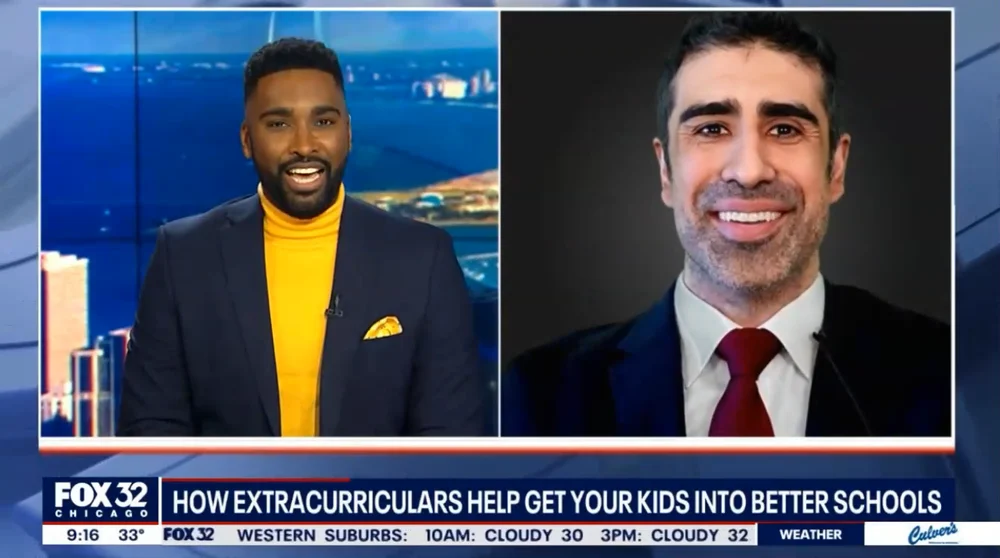
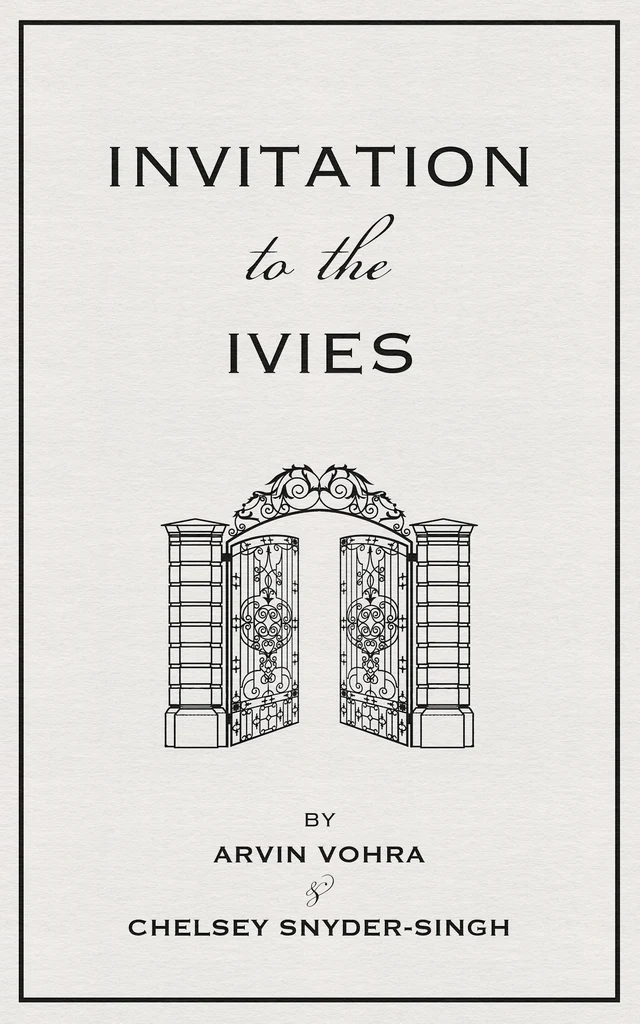
I bring a level of nuance and outside-the-box thinking that is unmatched in Ivy admissions strategy. I have shared some of these insights in my books, including Invitation to the Ivies and in interviews on NBC, ABC, CBS, and Fox.
My strategic advice will often be different from what other college counselors suggest. That’s why it works; if you do what everyone else does, it can’t work: you need to stand out to get in. The Ivies only admit outliers.
I can provide you with a clear roadmap for getting into an Ivy League school. The earlier you start, the better. Most of my friends and family members have hired me for strategic advising when their kids were younger than five. My other clients usually start by age 13, although earlier is better. I also work with 11th and 12th graders, but by that time some techniques are no longer usable. Starting early increases your chances, reduces stress, and saves you money.
To start, you can sign up for a free consultation here.
My Story
In high school, I was a National Merit Scholar Finalist with the highest SAT and PSAT scores in my graduating class. I was a year ahead in math and Latin. I had the highest grades in the hardest classes in my school. I had scores of 5 on ten AP exams. I was the president of several clubs, some of which I had founded. I was captain of the school’s Science Bowl team, which I had led to multiple upset victories, defeating schools like TJ, a major science and tech magnet school. I had won some of the school’s most prestigious awards. I had done plenty of community service, both in the U.S. and abroad. I was also a varsity athlete.
When the college rejection letters started pouring in, I was shocked. I even got rejected from some of my safety schools!
I was the classic case of “Great product, bad marketing.” I couldn’t have been a better student. And I couldn’t have been a worse marketer. Looking back, I can see how I made every mistake in the book, especially on my essays.
I was both angry and embarrassed that all the work I’d put in hadn’t worked. But once the anger subsided, I decided to learn what I’d done wrong.
By chance, I had read an article about getting into Brown University, which was my second choice school. I had followed the advice, added a few tweaks, and got in. So I read more articles and books. I listened to the stories of students who were the opposite of me: academically weak students who got into Ivies. I learned from admissions officers at elite colleges what really went on behind the scenes. I learned everything I could about elite college admissions.
Soon, I was on the cutting edge of Ivy strategy, creating new techniques that I taught to students, parents, and other admissions consultants. I discovered how principles of mythology and storytelling could dramatically enhance an application. Bit by bit, I cracked the code of Ivy admissions. Soon, it became less of an art, and more of a science.
The countless students I’ve helped get into Ivies have more than balanced out the rejection letters I got. Some were academic superstars, like I had been. Most weren’t. Once I understood how college admissions actually worked, I could show students how to hack the system.
How Early is Too Early?
Here’s what the second most ruthless college strategist in the country did when he found out his wife was pregnant: he changed his last name.
He had an obviously Asian sounding last name, which he knew would make it harder for his son to get into an Ivy. He also knew that colleges require applicants to list every legal name they’ve ever had. Thus, he knew that he needed to change his last name before his son was even born. His son was born with a neutral last name, and thus didn’t face any anti-Asian bias when applying.
There is no such thing as too early. The best time to start Ivy strategy is before a child is born. The second best time is now.
With very young students (8 and under), I work primarily with parents to design a strategy that will give the student a dramatic advantage. Before high school, the parents are the ones who actually design and implement strategy, and I guide them in creating strategies that pay off.
With students in elementary school, I work mostly with parents and students together, but also have student-only and parent-only sessions. For middle and high school students, I work primarily with the student, with occasional parent meetings.
To get a sense of what we do in the years leading up to Ivy admissions, take a look here.
An ounce of prevention is worth a pound of cure. The earlier you start, the more you can avoid the expensive mistakes that most people make, while building a strategy that will put you head and shoulders above the competition.
Below, you can schedule your free consultation.